Application
Describe what the mesh will separate, support or protect.
Sets the questions beyond nominal size.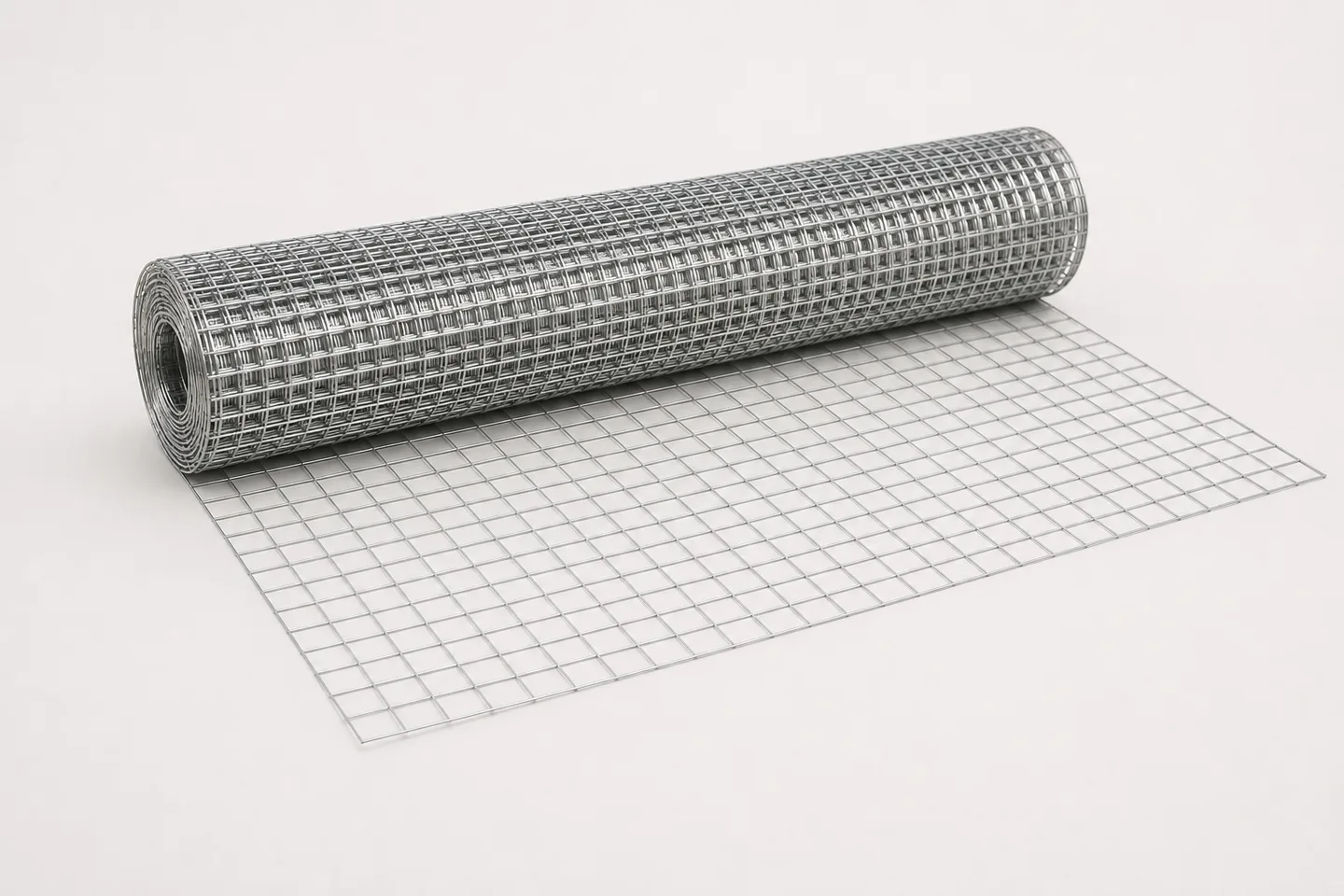
Welded wire mesh material
A welded wire mesh family supplied as panels or rolls and configured by aperture, wire diameter, material, finish, sheet or roll geometry, edge condition and fabrication scope.
Provide the aperture, wire, material or coating, panel or roll size, edge requirement, quantity and downstream use before quotation.
The page collects the variables that change suitability, scope and price. It does not replace the approved drawing, quotation or responsible engineering review.
Describe what the mesh will separate, support or protect.
Sets the questions beyond nominal size.State clear opening and orientation.
Controls fit and visibility.Confirm diameter and material.
Changes stiffness, weight and fabrication.Choose panel or roll dimensions and edge condition.
Determines production and packing.State galvanized, stainless or coating requirements.
Material and exposure must align.List bends, frames, cut-outs or secondary work.
Separates raw mesh from finished components.Values shown here describe the supply variables. Exact dimensions, finishes and components are confirmed for the project.
Send the missing inputs →| Field | Current supply basis | What to confirm |
|---|---|---|
| Grid | Welded square or rectangular aperture | Confirm opening and orientation. |
| Wire | Project-selected diameter and material | Provide minimum requirement. |
| Form | Flat panels or rolls | State dimensions and tolerances. |
| Edges | Cut, flush or project-defined treatment | Confirm handling and fabrication needs. |
| Finish | Galvanized, stainless or coated options | State exposure. |
| Fabrication | Cutting, bending or framing by scope | Provide drawings. |
| Final basis | Approved specification and quotation | Images do not prove performance. |
The sequence keeps product selection, engineering responsibility and commercial scope aligned.
State what the mesh must separate, protect, support or screen and describe the environment.
Provide dimensions, layout, openings, interfaces and any sample or drawing requirement.
Review material, finish, connections, accessories and the responsibility boundary.
Confirm quantity, packing, destination, documentation and required delivery date.
Each image explains a form, interface or possible application. Captions state where a drawing, sample or project review is still required.

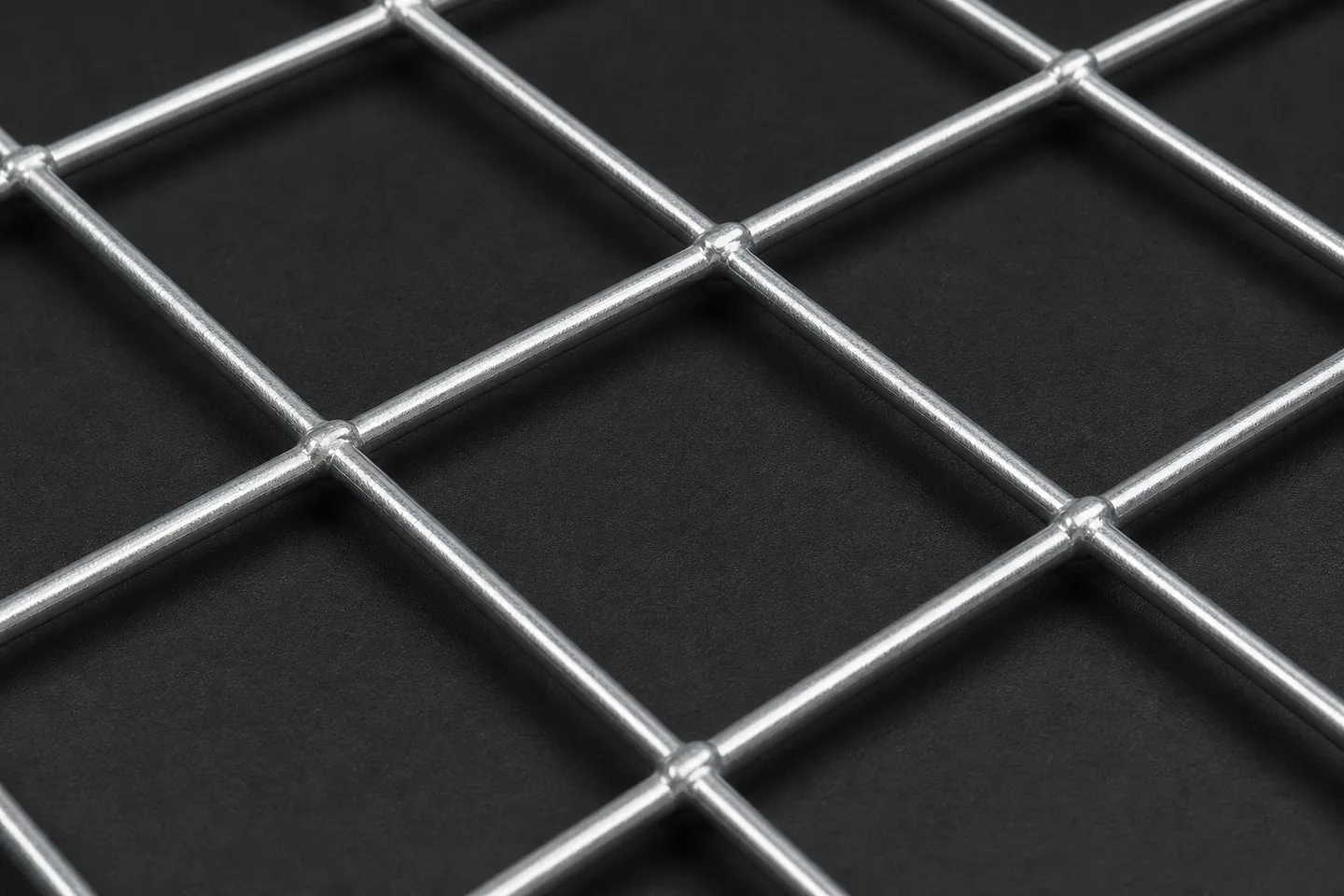
These answers define the quotation boundary without inventing project-specific performance.
Choose from the downstream fabrication, handling, flatness, dimensions and installation method; provide the final use for review.
State aperture, wire diameter, material or finish, width, length, edge condition and quantity.
Secondary fabrication can be reviewed when drawings, tolerances and edge requirements are supplied.
No. They are representative application illustrations and do not prove containment or durability.
Complete the known fields. If drawings or standards apply, mention them in project notes and attach them when your email application opens.
Submitting this local form opens your email application. It does not transmit data to the website.
Use the family guides to separate machine safety, warehouse operation, physical supply and approval responsibility.